What we’RE doing
our strategic approach
The Impact Alliance adopts the Promising Approaches Framework from the Campaign to End Loneliness, grounding our work in research and best practice.
We embrace a learning-led and flexible model that supports real-time evaluation, reflective practice, and transparent sharing of both success and failure.
The Impact Alliance focuses on:
Delivering greater impact
Aligning behind a common vision
Breaking down silos through collaboration
Working strategically
Learning from communities
Taking risks and adapting
Seeking innovative models and solutions
Generating sustainable funding
The ultimate strategic outcome for the Impact Alliance is to make loneliness a stranger, which means supporting people and communities to have more conversations, create more connections, and shift people from a feeling of loneliness and isolation to a feeling of community and belonging.
We champion a dual strategy of:
fostering experimental pilots in targeted local communities
scaling ‘Best Practice’ projects that are proven to be effective
Supporting Experimental approaches in pilot communities
Principles
Our work in pilot communities is underpinned by:
a place-based approach - moving beyond generic, top-down solutions and instead recognising each community's unique history, culture, and environment in order to work with the community, not just in it;
applying asset-based community development - shifting focus from problems to strengths, identifying and leveraging the existing skills, knowledge, and resources as the foundation for solving problems and creating more relevant and effective outcomes;
encouraging creativity and experimentation - moving away from a ‘fear of failure’ and instead taking risks, trying out bold ideas, and being fully transparent about what works and what doesn’t.
Selection
As a collective it was agreed the pilot communities would comprise:
one location in each of the four local authority areas in the West of England - North Somerset, Bristol, South Gloucestershire and Bath & North East Somerset
a mix of rural and urban areas
a mix of ages, communities and ethnic backgrounds.
To ascertain which communities were most likely to experience long-term loneliness, the Impact Alliance built on the well-established understanding of risk factors identified, for example, in the ‘Campaign to End Loneliness ‘The State of Loneliness 2023: ONS Data on loneliness in Britain’.
Data analysis of demographics of the region, combined with intelligence from Impact Alliance members, led to the identification of four communities of place and two communities of interest:
Charfield, South Gloucestershire
Disabled Young People, West of England
Global Majority Older People, West of England
Mendip Villages (Banwell, Winscombe, Churchill, Langford & Sandford), North Somerset
Somer Valley (Paulton, Radstock & Midsomer Norton), Bath & North East Somerset
Stockwood, Bristol
Enablers
Each pilot community has an associated Enabler (or Enabling Organisation).
An Enabler is an organisation that has a good understanding of loneliness both at national and regional level, and how it manifests amongst their own community members.
Enablers are trusted to listen, connect, and nurture the people and ideas that could make a big difference. Enablers are convenors, collaborators and catalysts with the ability to identify grassroot delivery partners, or ‘Change Makers’.
Enablers were identified based on:
Being embedded and trusted in the pilot community, knowing its people, places, and dynamics.
An enabling mindset, eager to act as connectors and facilitators, to channel resources to Change Makers.
Organisational capacity to hold and distribute funds, and to fulfil the role alongside existing commitments.
Alignment with values and vision to, “make loneliness a stranger,” using a learning-led, grassroots, long-term approach.
Enablers for each pilot community are as follows:
Charfield - CVS South Gloucestershire
Disabled Young People - WECIL
Global Majority Older People - Black South West Network
Mendip Villages - the three Parish Councils of Churchill, Banwell, and Winscombe and Sandford
Somer Valley - 3SG
Stockwood - Bristol Charities
Change Makers
Change Makers are the doers.
They are identified by Enablers as being best placed to address loneliness in their community, at grassroots scale and in a range of different ways.
Change Makers are empowered by and supported by Enablers and the wider Impact Alliance to lead the work on the ground.
Change Makers can include individuals, groups, charities, social enterprises, small businesses and informal networks - and more. The feature they have in common is that they all foster connection and build community resilience.
The Pilot Communities
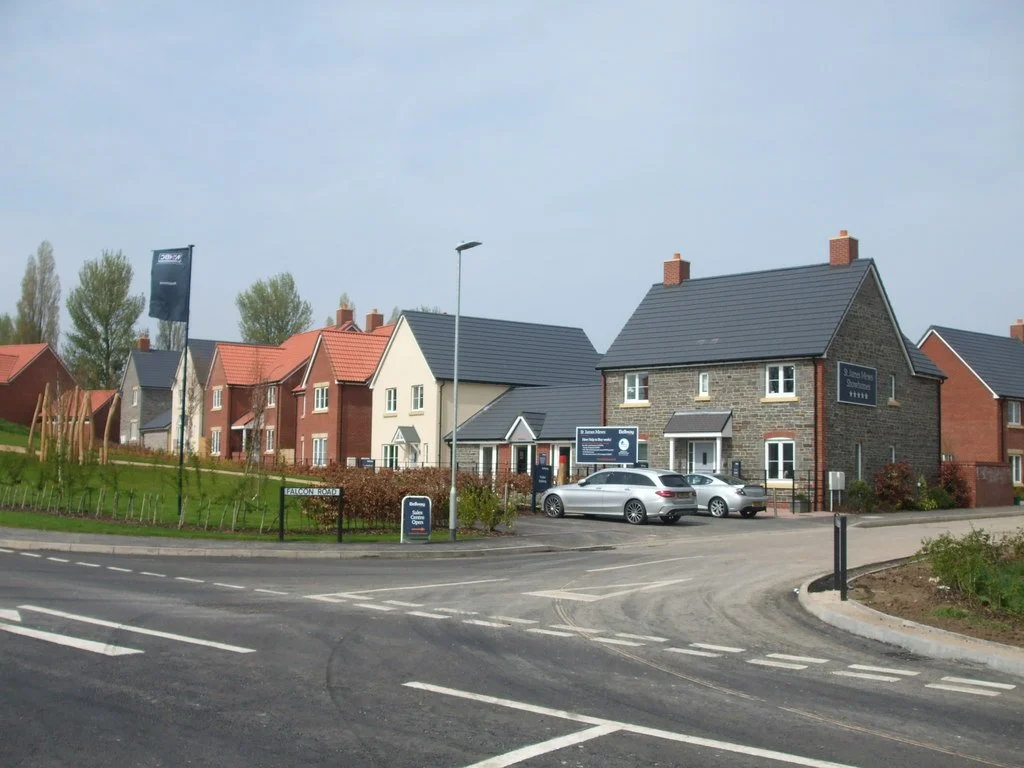

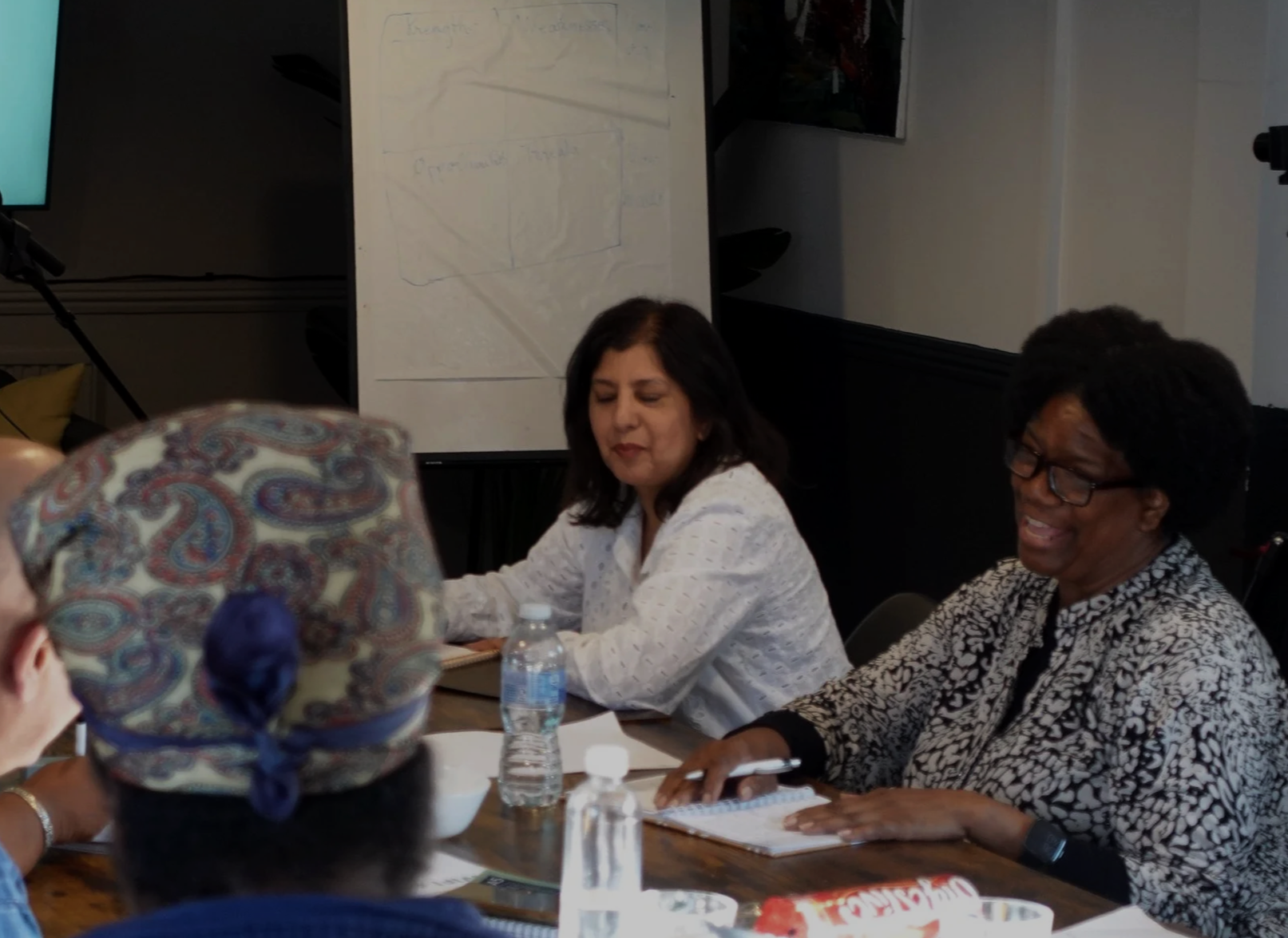


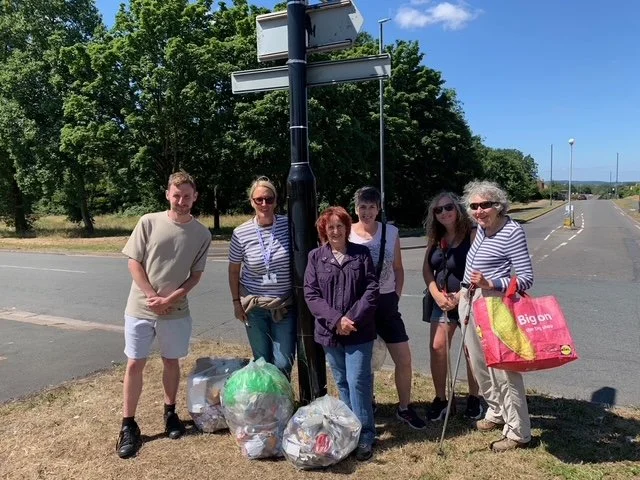
Current Pilot Community Programmes
Community Change Makers
Identifying and supporting the individuals, businesses, groups and organisations that build connections in their community.

Building connected communities in the West of England through culture and creativity.
Scaling Best Practice
Principles
Complementary and in parallel to the experimental approach of the pilot communities, the Impact Alliance ‘Best practice’ work is all about identifying what already works well, and amplifying its impact across the West of England region.
By identifying best practice, we can:
increase understanding of the key factors needed to effectively address loneliness and build community resilience;
support organisations or initiatives that are demonstrating best practice, and enable them to share their learnings and empower others to do the same.
In order to establish a shared agreement on what constitutes best practice, and the key factors that enable it to happen, all Impact Alliance members worked together to co-create a list of ‘Best practice criteria’.
The criteria provide a guiding framework; they are flexible, light touch criteria, not a stringent set of requirements.
Best Practice CriteriA
1. Sustainably resourced
Can demonstrate how they are resourced, where the resources come from, what they need and if they can obtain more resources to support their own development if required
Generates its own income; is not solely reliant on another source
Can demonstrate how they attract new people to join/participate; it is not just an initiative that only supports individuals/itself
2. Can measure impact
Can provide rich stories of impact
Can provide simple impact measures e.g. number of connections; knows how to recognise success
Has existing good quality data and evaluation
Could undertake a simple mapping exercise to demonstrate impact
May use tools like HACT (financial proxy to well-being questions)
3. Strong community integration and community leadership
Can explain how the project/activity/group occurred - the process by which it emerged
Has evidence of consultation and engagement in the community in which they are involved, from start to finish and incorporated into delivery throughout
Has the ability to empower and inspire others
4. Functionality – How they operate
The group is welcoming and inclusive to others
Cost is not a limiting factor for people to engage in the organisation
Has a clear, adaptable operating model
Can be easily replicated (in different communities) with the right conditions, e.g. using a toolbox or similar
Current scaling best practice Programmes:
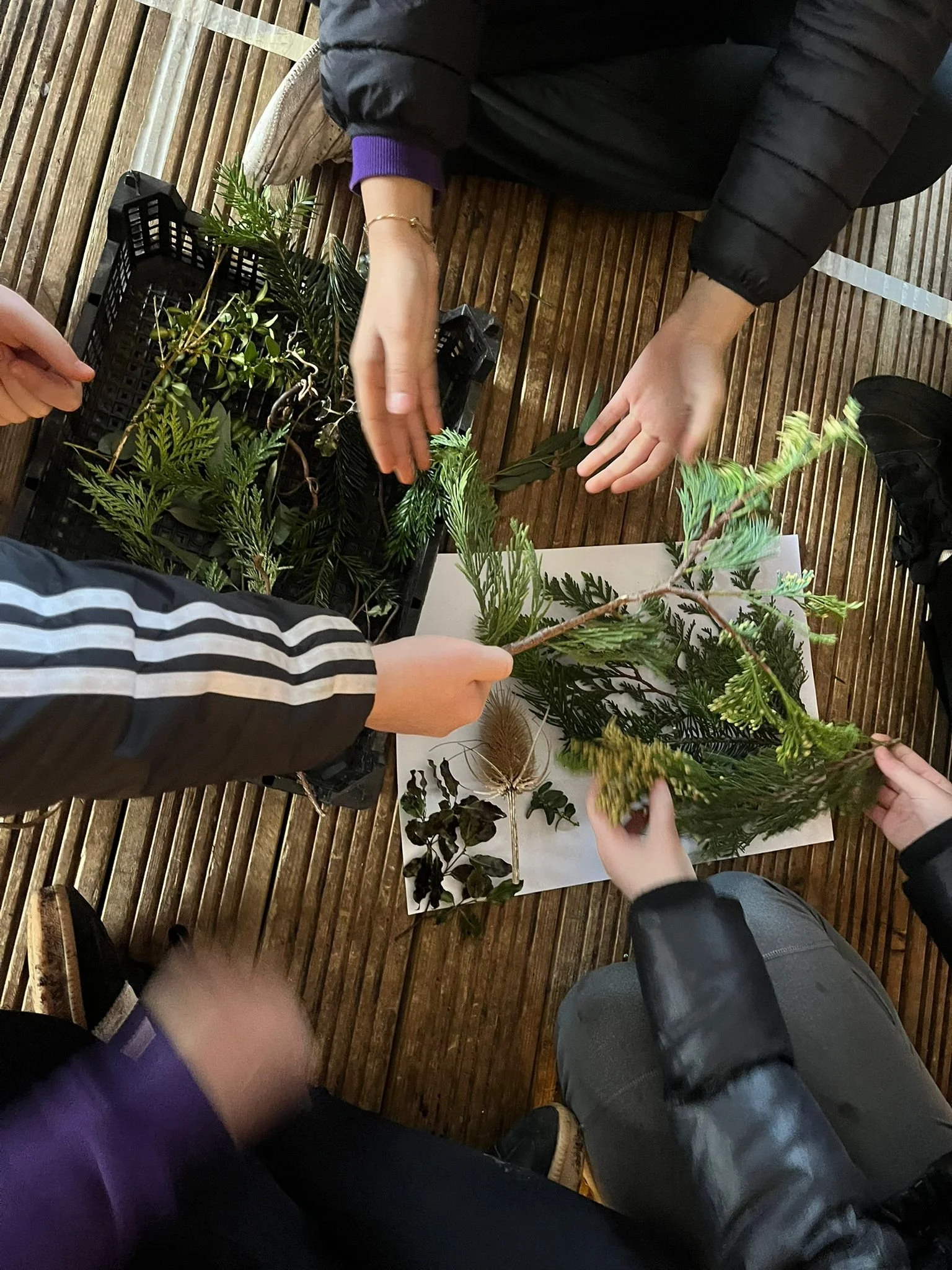
In partnership with Redcatch Community Garden, we are helping new and emerging initiatives to be the best they can be, and for their communities to thrive.
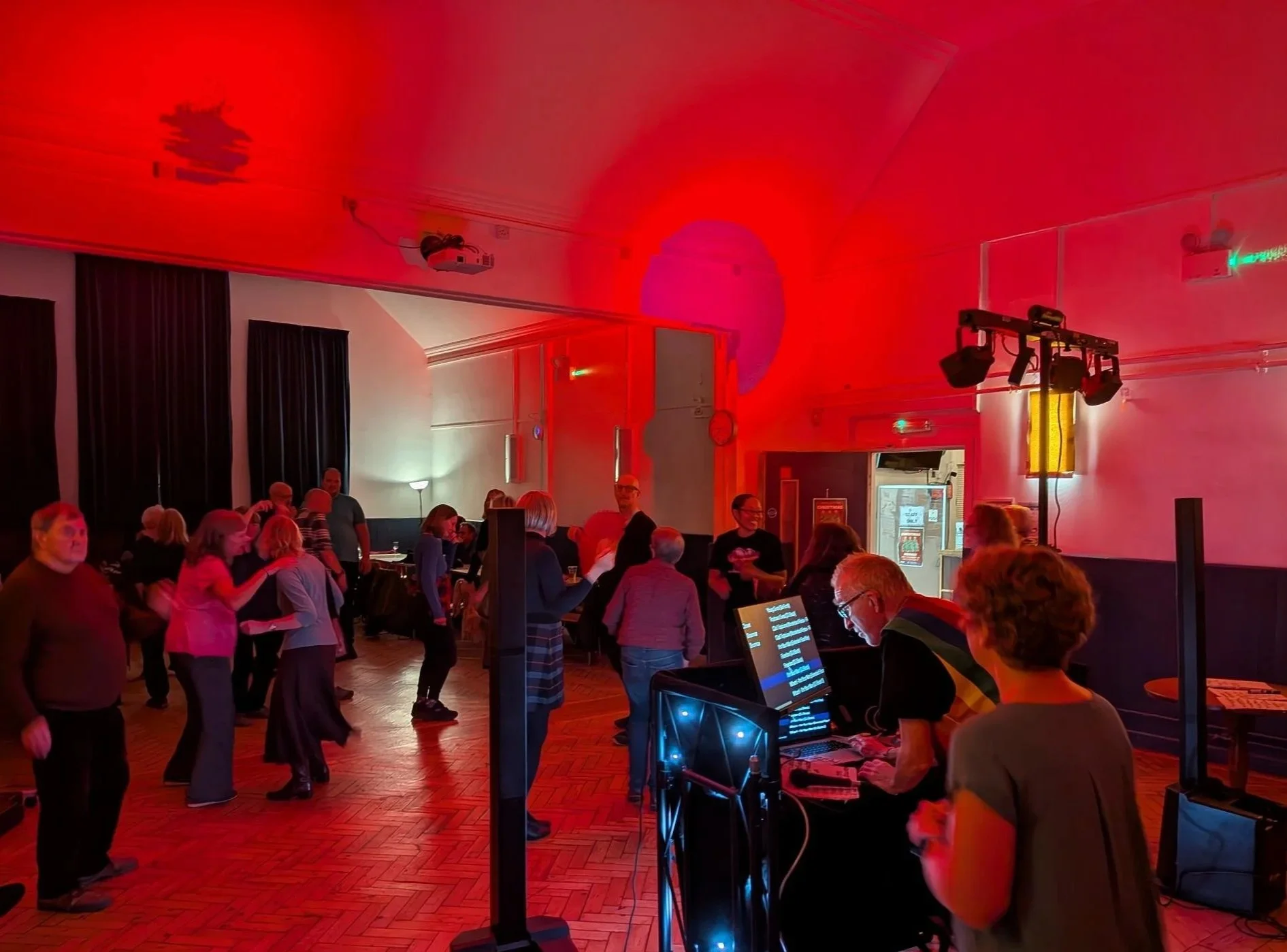
Music, movement and shared interests all come together at a community disco, creating the chance for lasting connection. In partnership with Age UK Bristol.
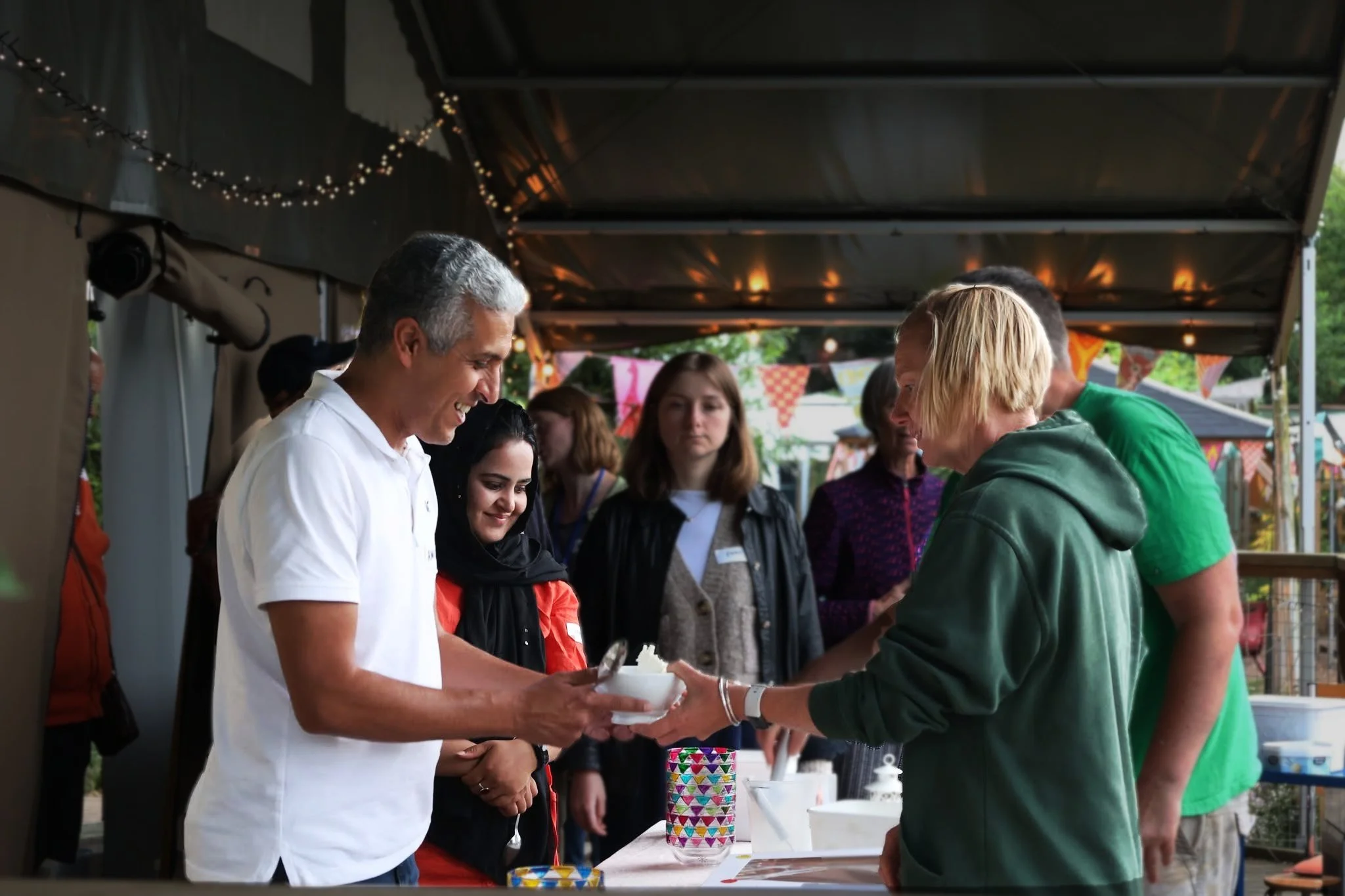
Thank you to all Impact Alliance members who have shared photos to use on this website. Please see below for photos used on this page; click on the image for further information. (Any photos not credited are available via Creative Commons licensing).
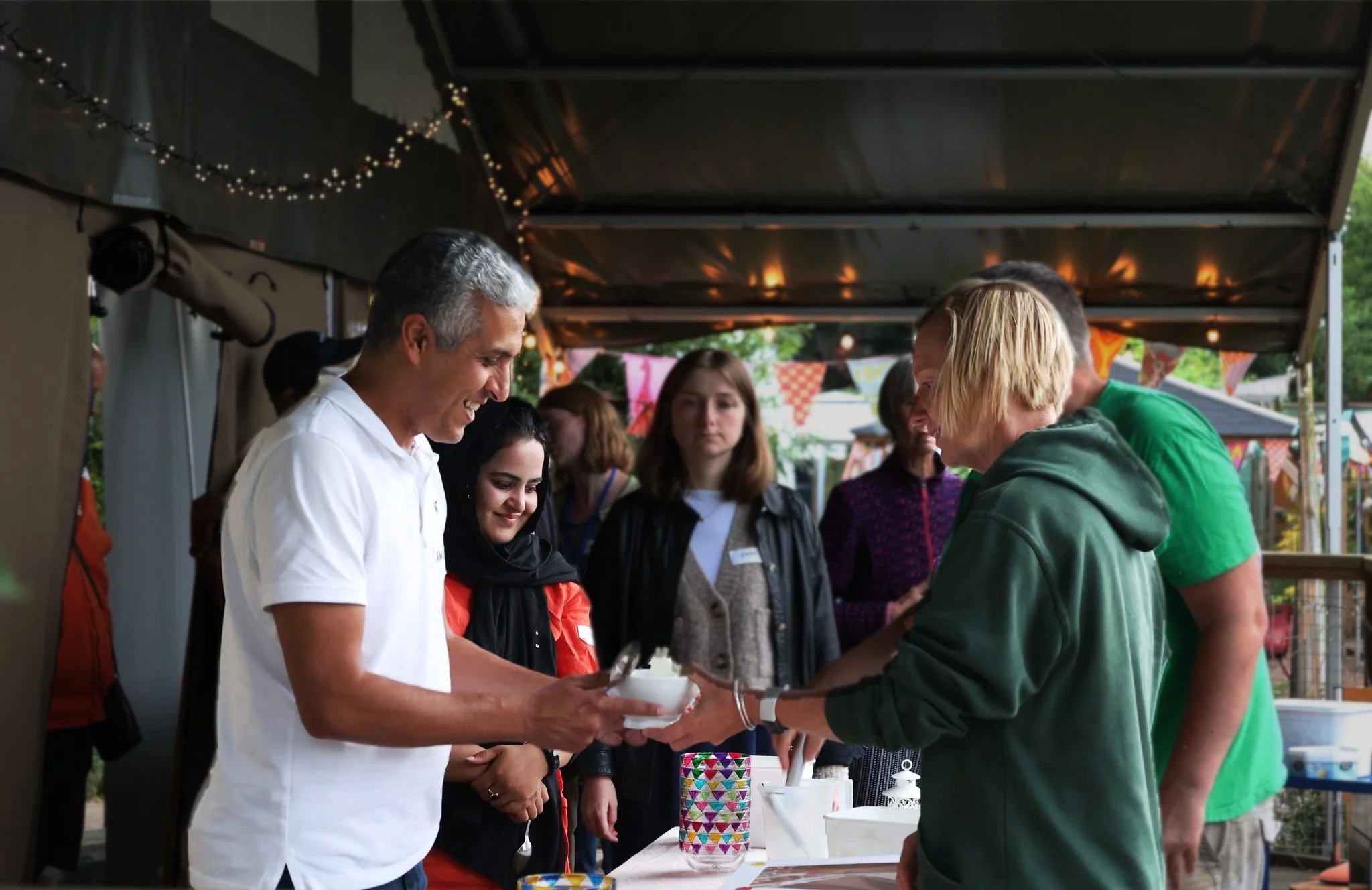
Redcatch Community Garden
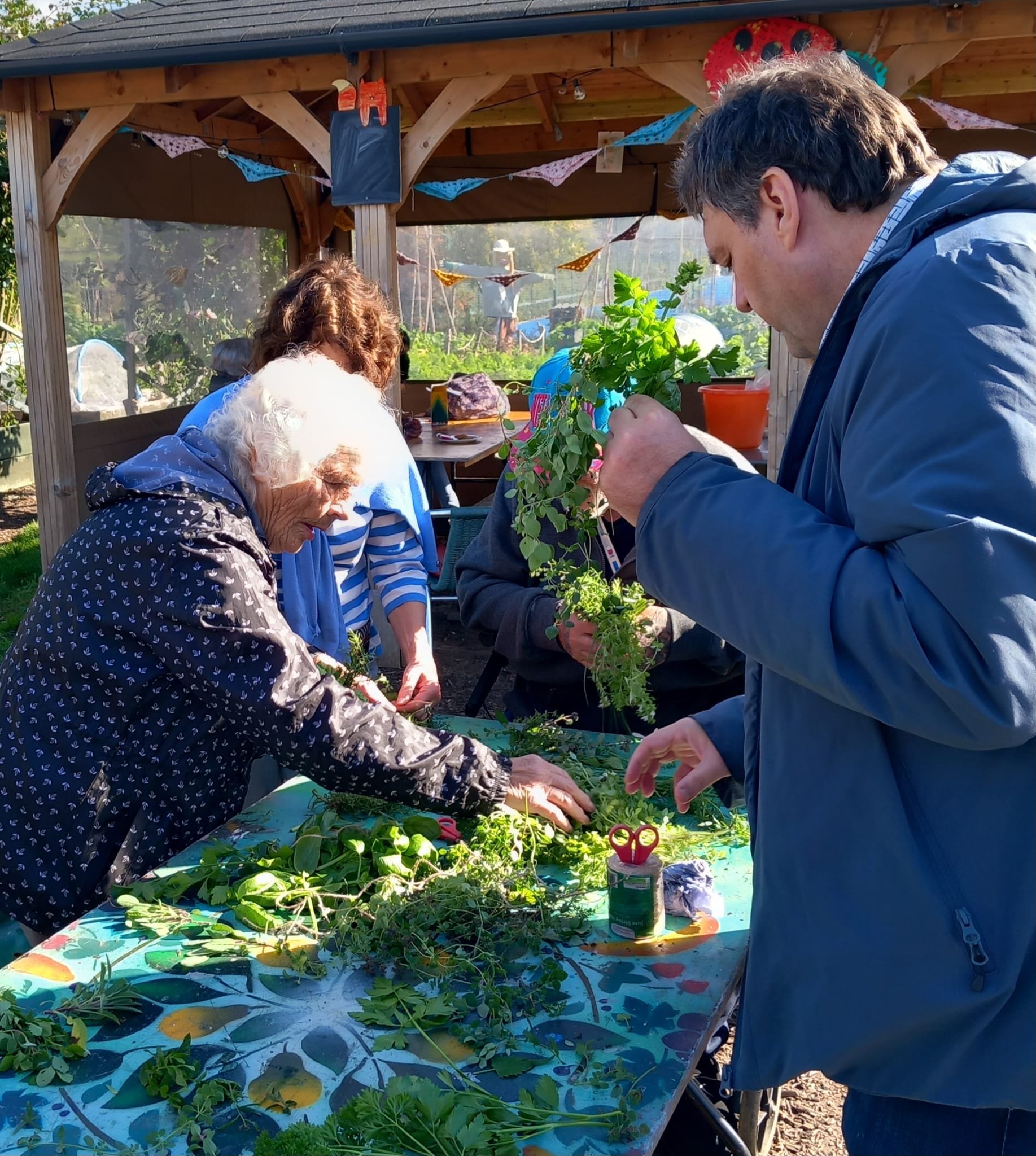
Redcatch Community Garden
Black South West Network
The Stockwood Wombles, courtesy of Bristol Charities
Redcatch Community Garden
Friends Ageing Better (FAB) disco, courtesy of Age UK Bristol