
Community
Region
Enabler
Disabled Young People
The 'Disabled community' is a vastly diverse one covering many different people with different impairments and very differing needs.
However, research reveals common themes within this community that contribute to increased levels of social isolation and loneliness.
For instance, unemployment rate is much higher than for non-disabled people (1), and stigmatising attitudes, or fear of judgement, limit Disabled Young people’s ability to form connections (2).
Disabled Young People are at the intersection of these and other factors that make them a high-risk group for experiencing loneliness, underlying the finding that seven in ten Disabled young people (aged 16 – 24) report feeling lonely 'always' or 'often' (3).
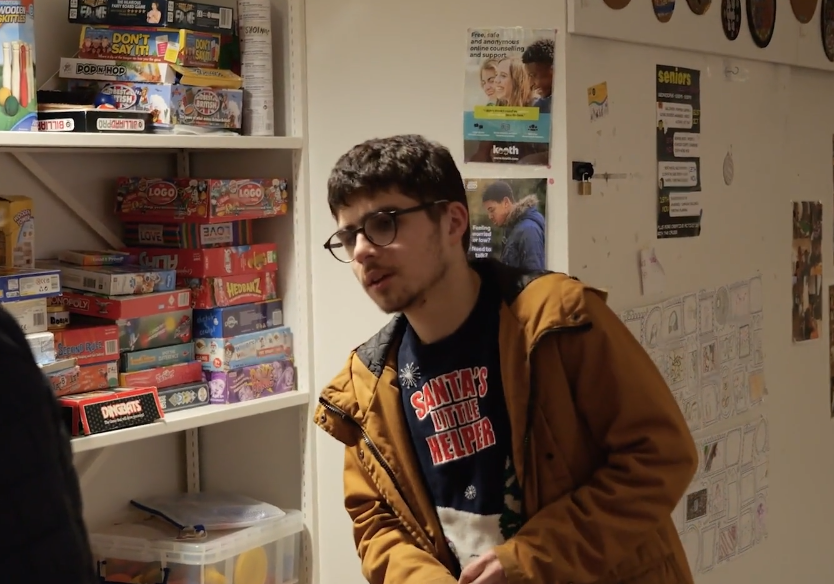
Above the age of 19, many services are no longer available to Disabled Young People. This group, in particular, needs help to transition towards adulthood with life skills, support to access adult spaces, relationship guidance, budgeting, cooking, independent travel and accessing the wide range of rich cultural experiences we have on offer in our region.
By working with WECIL and Disabled Young People themselves, the Impact Alliance is striving to ensure all members of this community can build connections with their neighbours and feel that they belong.
Listen to young people share their thoughts on loneliness and isolation, captured by WECIL for the ‘Discovery phase’ of the Impact Alliance work.
There is wide variation across the four WECA local authorities in terms of community assets, with both commissioned services and informal social activities differing greatly from one area to the next. They also vary in whether they are aimed at Young People with physical impairments, learning disabilities, and/or neurodivergent Young People.
Within this community, too, are vast differences. For instance, the digital world can offer wonderful opportunities to connect. But, for others, navigating the online space is highly inaccessible - and a digital solution could even stunt independency skills.
“I have a lot of friends on Xbox or virtually... it’s just easier for me because I get overwhelmed with a lot of people.”
(1) Disabled Youth Loneliness: Connections, Barriers, Solutions January 2025
(2) The Invisible Enemy’: disability, loneliness and isolation September 2018
(3) Chronic Loneliness and the Disabled Mental Health Crisis-SENSE February 2021
The region
16-35 year olds account for 31% of residents in the West of England (or ~340,000 people) compared to 26% across England and Wales, and is increasing at a rate above all other combined authorities.
Most of these are concentrated in urban areas, especially Bristol and Bath. North Somerset, by contrast, is notably under-populated in this age range.
The number of Disabled Young People in WECA is not publicly available. However, with around 12% of young people in England being disabled (2021 census data), this equates to approximately 40,000 people.
West of England Centre for Inclusive Living
WECIL is an award-winning Disabled People’s Organisation, with deep insight into the barriers faced by Disabled Young People.
WECIL celebrates diversity, prioritises inclusion, and empowers everyone to thrive. As a user-led organisation, WECIL is the obvious partner for being an Impact Alliance Enabler for the Disabled Young People Community.
The Children and Young People’s service at WECIL delivers a variety of services in Bristol, South Gloucestershire and Bath and North East Somerset, and has strong relationships with families, schools, and local authorities.
Thank you to all Impact Alliance members who have shared photos to use on this website. Please see below for photos used on this page. (Any photos not credited are available via Creative Commons licensing).
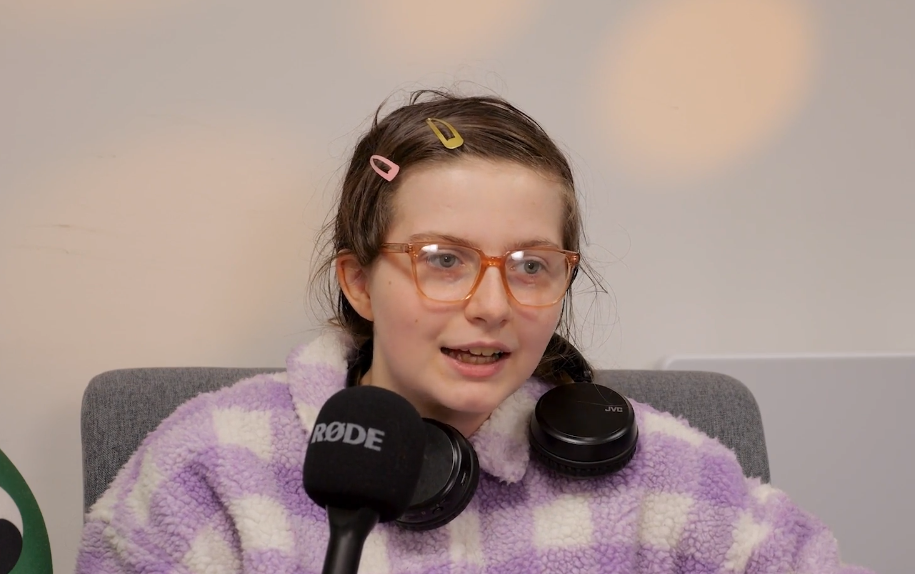
An attendee at WECIL's youth services, courtesy of WECIL
An attendee at WECIL's youth services, courtesy of WECIL